Nanfeng Honey Tangerine: A Bite-Sized Burst of Sunshine
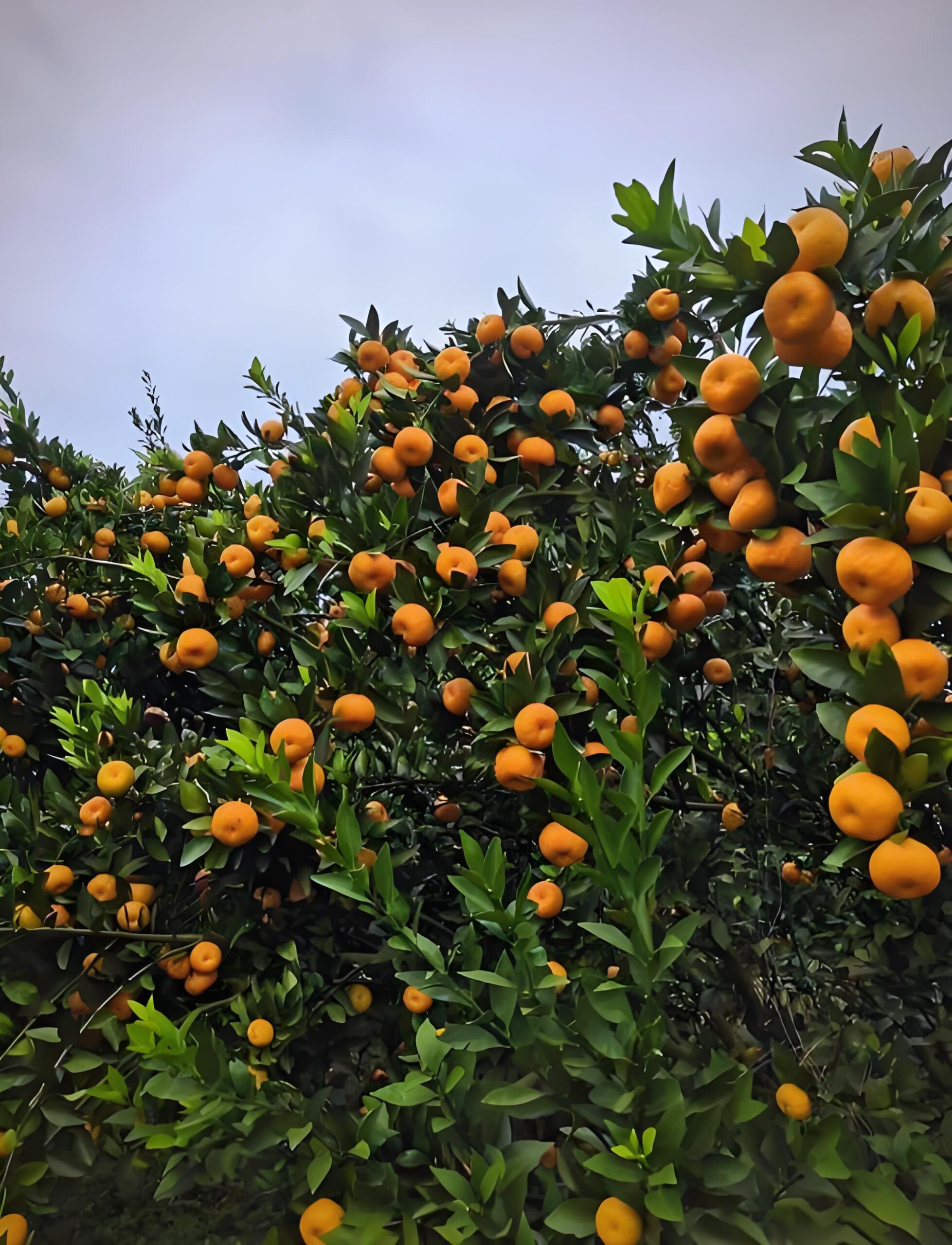
Hailing from the heart of Jiangxi Province, the Nanfeng honey tangerine is one of China’s most beloved citrus fruits. Known locally as “Nanfeng Miju,” this small but extraordinarily flavorful fruit has earned a stellar reputation for its intense sweetness, thin peel, and rich cultural heritage. It is a testament to the idea that great things often come in small packages.
Origin: The Legacy of Nanfeng
The Nanfeng honey tangerine is native to Nanfeng County in Fuzhou City, Jiangxi Province. This region boasts a history of tangerine cultivation spanning over 1,700 years, earning it the title of “Hometown of Honey Tangerines” in China. The area’s unique environment—characterized by red soil rich in trace elements, a subtropical monsoon climate with ample sunshine, and significant day-night temperature differences—creates the ideal conditions for producing fruit with exceptional sugar content and aromatic complexity. The ancient orchards of Nanfeng are not merely farms; they are living repositories of agricultural tradition, where generations of farmers have perfected the art of cultivating this diminutive citrus gem.
Nutritional Value: A Small Fruit with Big Benefits
Despite its small size, the Nanfeng honey tangerine is densely packed with nutrients and bioactive compounds that contribute to overall wellness.
-
Vitamin C: Like most citrus fruits, it is an excellent source of Vitamin C, which strengthens the immune system, aids in wound healing, and acts as a potent antioxidant.
-
Carotenoids: The vibrant orange color signals a high content of carotenoids, including beta-cryptoxanthin, which the body converts to Vitamin A. These compounds support eye health, skin integrity, and immune function.
-
Dietary Fiber: The fruit provides both soluble and insoluble fiber, promoting digestive regularity and helping to maintain a feeling of fullness.
-
Potassium: This essential mineral helps regulate blood pressure, supports muscle function, and maintains proper fluid balance in the body.
-
Natural Sugars: The tangerine’s signature sweetness comes from natural fructose and glucose, offering a quick, healthy energy boost without the need for added sweeteners.
-
Essential Oils: The fragrant peel contains volatile oils such as limonene, which have been traditionally used in Chinese medicine to ease digestive discomfort and relieve coughs.
Harvest Season: A Festive Winter Tradition
The harvest season for Nanfeng honey tangerines typically begins in late October and extends through December. However, the prime tasting period occurs from November to January. The fruit reaches its peak sweetness and aroma as temperatures drop in late autumn and early winter. Traditionally, the arrival of the Nanfeng honey tangerine harvest coincides with the lead-up to the Chinese New Year, making it a staple fruit for festive celebrations. Families often purchase these tangerines in abundance, as their golden color symbolizes wealth, good fortune, and family reunion.
Who Should Eat Them?
Nanfeng honey tangerines are widely accessible and suitable for nearly all age groups. They are especially recommended for:
-
Families with children: The fruit’s small size, thin peel, and naturally sweet flavor make it a perfect, mess-free snack for young children. The easy-to-remove peel allows even small hands to enjoy them independently.
-
Elderly individuals: The soft, juicy segments are easy to chew and digest, while the potassium content supports heart health and blood pressure management.
-
Office workers and students: As a convenient, portable snack, these tangerines provide a natural energy boost and a dose of Vitamin C to combat stress and fatigue.
-
Individuals seeking weight management: Low in calories and rich in fiber and water, they satisfy sweet cravings without contributing to excess calorie intake.
-
Those with poor appetite: The refreshing aroma and sweet-tangy flavor can help stimulate appetite, making them an ideal pre-meal snack.
How to Enjoy Nanfeng Honey Tangerines
The versatility of Nanfeng honey tangerines allows them to be enjoyed in numerous ways, from simple snacking to sophisticated culinary creations.
-
Fresh and Peeled: The most common way to enjoy them is simply to peel and eat. The skin is remarkably thin and adheres loosely to the flesh, making it exceptionally easy to remove. Each segment is tender, juicy, and practically seedless, offering a pure, unadulterated taste of sweetness.
-
Juice: Because of their intense sweetness and aromatic quality, these tangerines make a delightful fresh juice. Unlike some citrus juices, Nanfeng tangerine juice requires little to no added sugar and can be enjoyed on its own or blended into smoothies.
-
Fruit Platters and Salads: Their small, uniform size and vibrant color make them a beautiful addition to fruit platters. They can also be segmented and added to green salads with nuts and mild cheeses for a refreshing contrast.
-
Desserts and Baking: The zest and juice of Nanfeng honey tangerines can be incorporated into cakes, muffins, sorbets, and custards. Their natural sweetness and aromatic oils infuse baked goods with a delicate citrus flavor.
-
Traditional Chinese Tea (陈皮): While often enjoyed fresh, the peel of the Nanfeng honey tangerine can be dried and aged to create chenpi (dried tangerine peel), a staple in Chinese cuisine and traditional medicine. The aged peel is used to flavor teas, soups, and braised dishes, believed to aid digestion and resolve phlegm.
In conclusion, the Nanfeng honey tangerine is a shining example of how regional terroir and centuries of cultivation can produce a fruit of exceptional quality. Its perfect balance of sweetness, ease of enjoyment, and nutritional benefits ensures that it remains a cherished fruit, not only in Jiangxi but across the world. Whether enjoyed fresh during the winter festivities or used as a subtle flavoring agent in cooking, it brings a little sunshine to every plate.