Anthocyanins are the powerful antioxidants that give blood oranges their striking red color — and their impressive health benefits. Understanding these compounds helps you market blood oranges effectively and differentiate them from standard citrus. This science-backed guide covers what anthocyanins are, their health benefits, and why they matter for your business.
| Quick Answer | Key Facts |
|---|---|
| What are anthocyanins | Water-soluble pigments in red-purple fruits |
| Content in blood oranges | 20-80 mg/100g fresh weight |
| Primary types | Cyanidin-3-glucoside, delphinidin-3-glucoside |
| Health benefits | Antioxidant, anti-inflammatory, cardioprotective |
| Daily recommended intake | No official RDA; 50-100mg/day shown beneficial |
| Stability | Sensitive to heat, light, pH; stable when fresh |
Contents: ① What Are Anthocyanins → ② Health Benefits → ③ Blood Orange Anthocyanin Content → ④ Factors Affecting Content → ⑤ Marketing Health Claims → ⑥ Stability & Processing
① What Are Anthocyanins
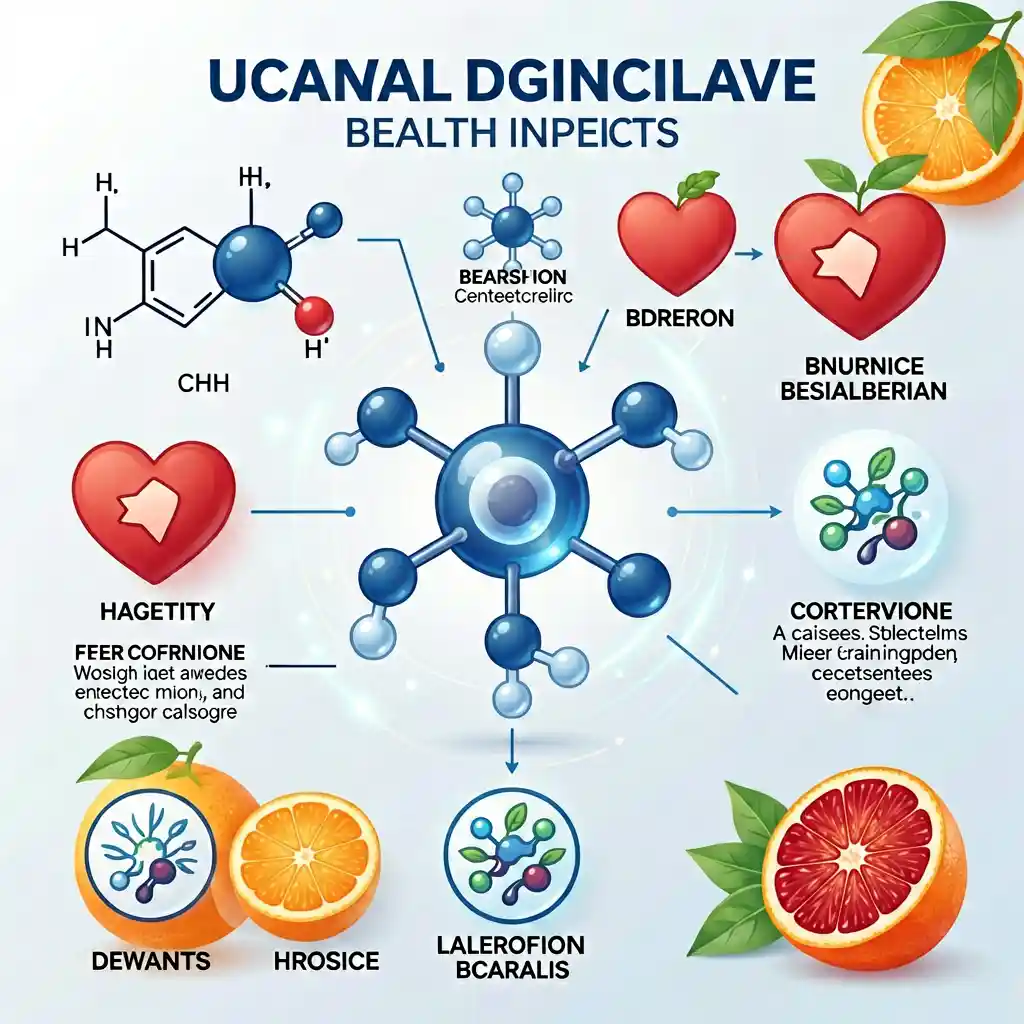
Anthocyanins are a class of flavonoid pigments responsible for red, purple, and blue colors in fruits and vegetables. They belong to the polyphenol family of compounds, which are known for their antioxidant properties.
Chemical Structure
Anthocyanins consist of:
- Anthocyanidin backbone: Core structure (cyanidin, delphinidin, pelargonidin, peonin, petunidin, malvidin)
- Sugar molecules: Glucose, rhamnose, galactose attached
- Acyl groups: Coffeeic, p-coumaric acid (enhance stability)
In blood oranges, the primary anthocyanidins are cyanidin and delphinidin, attached to glucose molecules.
② Health Benefits
Antioxidant Properties
Anthocyanins are powerful antioxidants that:
- Neutralize free radicals
- Reduce oxidative stress
- Protect cell membranes
- Prevent LDL cholesterol oxidation
Cardiovascular Health
Research shows anthocyanins may:
- Lower blood pressure: 4-6 mmHg reduction in hypertensive patients
- Improve endothelial function: Better blood vessel relaxation
- Reduce inflammation: Lower CRP and IL-6 markers
- Improve lipid profiles: Lower LDL, higher HDL
Anti-Cancer Properties
In vitro and animal studies show anthocyanins may:
- Inhibit cancer cell proliferation
- Induce apoptosis (cell death) in tumor cells
- Reduce tumor growth and metastasis
- Protect against colon, breast, and prostate cancers
Other Benefits
- Eye health: May improve night vision and reduce eye fatigue
- Brain function: May improve memory and cognitive function
- Diabetes management: May improve insulin sensitivity
- Skin health: May protect against UV damage
③ Blood Orange Anthocyanin Content
Content by Variety
| Variety | Origin | Anthocyanin (mg/100g) | Color Intensity |
|---|---|---|---|
| Moro | Sicily, Italy | 60-120 | Deep crimson |
| Tarocco | Sicily, Italy | 40-80 | Red streaks |
| Sanguinello | Spain | 30-60 | Moderate red |
| Gannan Blood | China | 40-80 | Uniform red |
| Florida Blood | USA | 20-50 | Pink to red |
For more on blood orange varieties, see our blood orange guide.
④ Factors Affecting Anthocyanin Content
Environmental Factors
- Temperature: Cold nights (5-10°C) trigger anthocyanin production
- Sunlight: UV exposure increases pigment synthesis
- Altitude: Higher altitude = more anthocyanins
- Stress: Drought and nutrient stress can increase content
Harvest Timing
Anthocyanin content peaks in January-February when temperatures are coolest. Early or late harvest reduces color intensity and anthocyanin levels.
⑤ Marketing Health Claims
Approved Claims by Market
| Market | Allowed Claims | Requirements |
|---|---|---|
| European Union | "Antioxidant contributes to cell protection" | EFSA authorization required |
| United States | Structure/function claims allowed | FDA notification, no disease claims |
| Canada | Health claims on approved list | Health Canada approval |
| China | Limited health claims | FSHC certification required |
Marketing Best Practices
- Use "may support" language, not "cures" or "treats"
- Cite scientific studies when making claims
- Focus on antioxidant properties (universally accepted)
- Avoid disease treatment claims without approval
For market entry strategies, see our USA market analysis.
⑥ Stability & Processing
Anthocyanin Stability
Anthocyanins are sensitive to:
- Heat: Degrade above 70°C; juice pasteurization reduces content
- Light: UV exposure causes fading
- pH: Color changes with acidity (red in acid, blue in alkali)
- Enzymes: Polyphenol oxidase can degrade anthocyanins
Processing Impact
| Processing Method | Anthocyanin Retention |
|---|---|
| Fresh consumption | 100% |
| Cold pressing (juice) | 85-95% |
| Pasteurized juice | 60-80% |
| Freeze-drying | 70-90% |
| Canning | 40-60% |
For storage best practices, see our storage guide.
Summary: Anthocyanins Drive Premium Value
Anthocyanins are the key differentiator for blood oranges, providing both visual appeal and health benefits. Understanding their properties helps you market blood oranges effectively and command premium prices.
Need More Information?
Our team is ready to assist with your citrus import needs. Contact us for:
- Product specifications: Detailed quality parameters
- Pricing quotes: Competitive FOB/CIF pricing
- Shipping schedules: Available container slots
- Documentation: Complete export paperwork
FAQ: Anthocyanin Health Benefits
How much anthocyanin is in blood oranges?
Blood oranges contain 20-80 mg of anthocyanins per 100g of fresh fruit, depending on variety and growing conditions. Moro varieties from Sicily have the highest content (60-120 mg/100g), while Gannan blood oranges typically contain 40-80 mg/100g.
Are anthocyanins heat-sensitive?
Yes, anthocyanins degrade at temperatures above 70°C. Pasteurized juices retain 60-80% of anthocyanins, while fresh consumption provides 100%. Processing methods like cold pressing and freeze-drying better preserve anthocyanin content.
What health benefits do anthocyanins provide?
Anthocyanins are powerful antioxidants that may support cardiovascular health, reduce inflammation, protect against certain cancers, improve eye health, and enhance brain function. The evidence is strongest for heart health benefits.
Can I make health claims about anthocyanins on packaging?
Claims vary by market. EU requires EFSA authorization. US allows structure/function claims with FDA notification. Canada has an approved health claims list. Always consult local regulations and use approved language like "antioxidants help protect cells."
Does cooking destroy anthocyanins in blood oranges?
Yes, cooking above 70°C degrades anthocyanins. Baking, boiling, or making marmalade reduces anthocyanin content significantly. For maximum health benefits, consume blood oranges fresh.