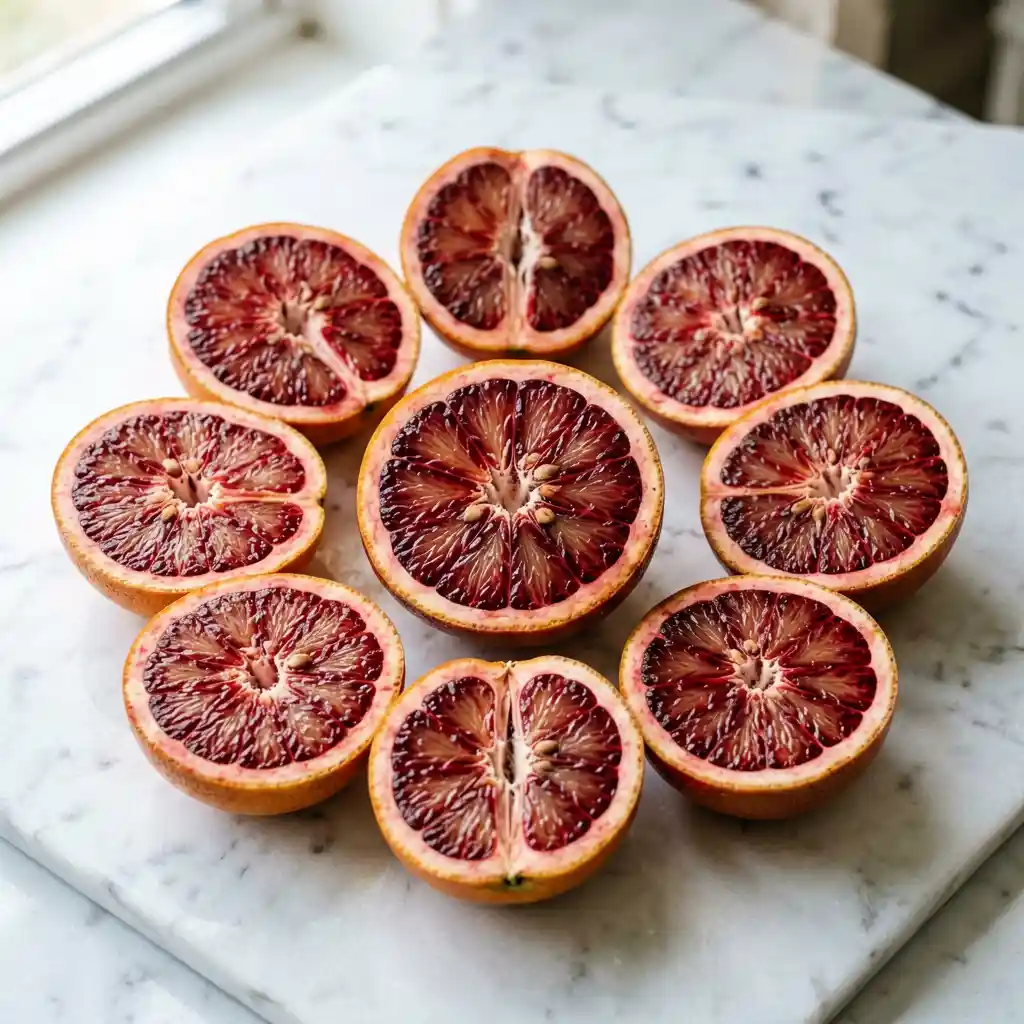
Blood oranges are one of the most distinctive and valuable citrus varieties, prized for their striking red flesh, complex flavor, and impressive health benefits. This comprehensive guide covers everything you need to know about blood orange varieties, cultivation, nutrition, and market opportunities.
🩸 Blood Orange Resource Hub
Explore our complete blood orange knowledge base, from variety guides to health benefits and market analysis.
🌿 Varieties & Cultivation
- Blood Orange Complete Guide: Varieties, Nutrition & Market 2026 - Comprehensive overview
- Blood Orange Varieties: Complete Guide to Moro, Tarocco, Sanguinello & Gannan 2026 - Variety comparison
💚 Health & Nutrition
- Anthocyanin Health Benefits: Complete Guide for Blood Orange Exporters 2026 - Science-backed health info
- Gannan Navel Orange Nutrition Facts: Vitamin C, Calories & Health Benefits - General citrus nutrition
⚖️ Comparisons & Analysis
- Blood Orange vs Navel Orange: Complete Comparison Guide 2026 - Side-by-side comparison
🌍 Market & Sourcing
- Chinese Citrus in the USA Market: Market Share 2026 - Market opportunities
- How to Start a Private Label Citrus Brand in Europe 2026 - Branding opportunities
What Makes Blood Oranges Special?
Blood oranges are unique among citrus varieties due to their anthocyanin content - powerful antioxidants that give them their distinctive red color and impressive health benefits.
| Attribute | Blood Orange | Standard Orange |
|---|---|---|
| Anthocyanin content | 20-120 mg/100g | 0 mg |
| Flavor profile | Sweet-tart, berry notes | Pure sweet, citrus |
| Color | Red to crimson flesh | Orange flesh |
| Season | 3-4 months (Dec-Mar) | 6-8 months |
| Price premium | 30-70% above standard | Baseline |
Major Blood Orange Varieties
1. Moro (Sicily, Italy)
The darkest and most intensely colored variety, with the highest anthocyanin content (60-120 mg/100g). Preferred by premium markets.
2. Tarocco (Sicily, Italy)
The most popular variety in Europe, known for excellent sweetness (13-15° Brix) and attractive red streaks. Dominates European retail.
3. Sanguinello (Spain)
The most widely planted variety in Spain, offering good color and balanced flavor. Most affordable option for importers.
4. Gannan Blood (China)
Chinese blood oranges offer excellent quality at competitive prices. Uniform red color and consistent 12-14° Brix make them ideal for export.
Anthocyanin Health Benefits
- Antioxidant protection: Neutralizes free radicals and reduces oxidative stress
- Cardiovascular health: May lower blood pressure and improve endothelial function
- Anti-inflammatory: Reduces markers of inflammation (CRP, IL-6)
- Potential anti-cancer: Inhibits cancer cell proliferation in laboratory studies
- Eye health: May improve night vision and reduce eye fatigue
Market Opportunities
Blood oranges command 30-70% price premiums over standard oranges, making them attractive for importers targeting premium markets.
Best Markets for Blood Oranges
- Europe: Premium markets, especially Germany, UK, Nordic countries
- USA: Health-conscious consumers, Asian-American markets
- Japan: Premium fruit gifts, high-value market
- China: Growing domestic demand for premium fruit
FAQ: Blood Oranges
What gives blood oranges their red color?
Anthocyanins are the pigments responsible for the red color. They develop when oranges are exposed to cold temperatures (5-10°C) during ripening, particularly at night.
Are blood oranges genetically modified?
No, blood oranges are not genetically modified. The red color is a natural mutation that occurs in certain varieties when exposed to specific temperature conditions during growth.
Which blood orange variety is the sweetest?
Tarocco is generally the sweetest variety with Brix levels of 13-15°. It has lower acidity than Moro, making it more appealing to consumers who prefer sweet citrus.
How do I store blood oranges to maintain color?
Store at 7-10°C with high humidity (85-90%). Avoid refrigeration below 5°C as it can cause color fading. Consume within 3-4 weeks for best color and flavor.