Choosing between blood oranges and navel oranges isn't just about color — it's about flavor profile, nutritional value, market positioning, and consumer preferences. This comprehensive comparison breaks down every difference so you can make the right choice for your market.
| Quick Answer | Blood Orange | Navel Orange |
|---|---|---|
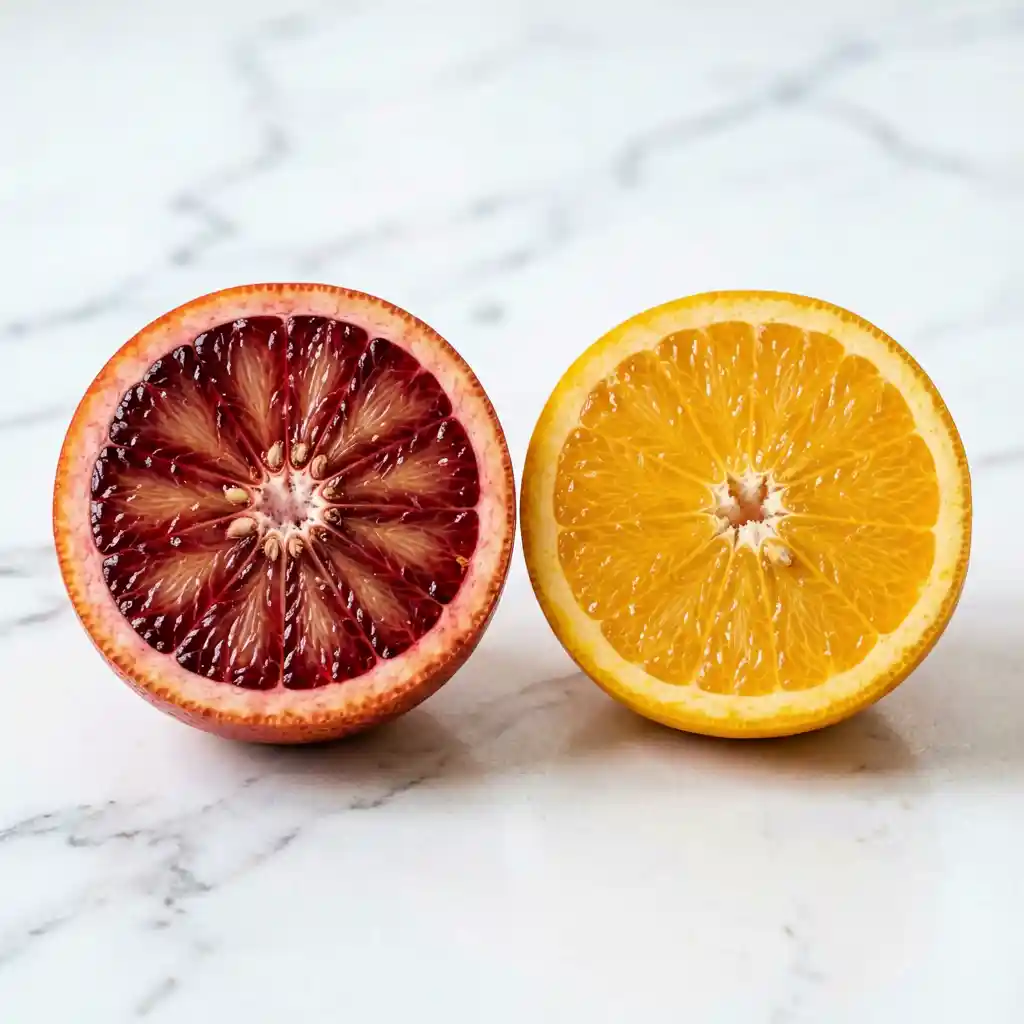
| Primary color | Deep red-crimson flesh | Orange flesh |
| Brix (sweetness) | 11-14° | 12-17° |
| Anthocyanin content | 20-80 mg/100g | None |
| Flavor profile | Sweet-tart, berry notes | Pure sweet, citrus |
| Price premium | 30-50% above navels | Baseline pricing |
| Season length | 3-4 months (Dec-Mar) | 6-8 months (Oct-May) |
Contents: ① Variety Comparison → ② Flavor & Texture → ③ Nutrition Differences → ④ Season & Availability → ⑤ Market Pricing → ⑥ Culinary Uses → ⑦ Consumer Preferences → ⑧ Sourcing Recommendations
① Variety Comparison
Blood Orange Varieties
- Moro: Deepest red color, strongest flavor, highest anthocyanins
- Sanguinello: Medium red, balanced sweetness-acidity
- Rosso: Lighter color, milder flavor
- Tarocco: Premium Italian variety, excellent sweetness
Navel Orange Varieties
- Washington Navel: Most common, consistent quality
- Bethlehem Navel: Larger fruit, thinner skin
- Sharp's Seedless: Premium export variety
- gannan Navel: Chinese premium variety, high Brix
② Flavor & Texture
| Attribute | Blood Orange | Navel Orange |
|---|---|---|
| Sweetness | Moderate (11-14° Brix) | High (12-17° Brix) |
| Acidity | Higher (0.9-1.3%) | Lower (0.6-1.0%) |
| Flavor notes | Berry, cherry, wine-like | Pure citrus, honey |
| Texture | Firm segments, juicy | Soft segments, very juicy |
| Aroma | Complex, intense | Fresh, classic orange |
| Bitterness | Minimal | Nearly none |
③ Nutrition Differences
Key Nutritional Comparison
| Nutrient | Blood Orange (100g) | Navel Orange (100g) |
|---|---|---|
| Calories | 47 kcal | 47 kcal |
| Vitamin C | 55 mg (61% DV) | 53 mg (59% DV) |
| Fiber | 2.4 g | 2.4 g |
| Sugar | 9.3 g | 12.3 g |
| Anthocyanins | 20-80 mg | 0 mg |
| Potassium | 180 mg | 181 mg |
| Folate | 25 μg | 30 μg |
| Glycemic index | Lower (fructose dominant) | Standard (sucrose dominant) |
For detailed nutrition info, see our blood orange guide.
④ Season & Availability
| Factor | Blood Orange | Navel Orange |
|---|---|---|
| Peak season | December-March | October-May |
| Availability | Limited (3-4 months) | Extended (6-8 months) |
| Chinese supply | Gannan: Dec-Feb | Gannan: Nov-Apr |
| European supply | Sicily: Jan-Apr | Spain: Nov-May |
| US supply | Florida: Jan-Apr | California/Florida: Year-round |
| Pricing trend | Premium in season, scarce off-season | Stable year-round pricing |
⑤ Market Pricing
Price Comparison by Market
| Market | Navel Orange ($/kg) | Blood Orange ($/kg) | Premium |
|---|---|---|---|
| Europe (retail) | 2.50-3.50 | 4.00-6.00 | 50-70% |
| USA (retail) | 1.80-2.80 | 3.50-5.50 | 90-120% |
| Japan (wholesale) | ¥250-350 | ¥500-800 | 100-130% |
| China (domestic) | ¥8-15 | ¥15-30 | 80-100% |
For more on pricing, see our wholesale price guide.
⑥ Culinary Uses
Blood Orange Best Uses
- Garnishes: Visual impact for cocktails and desserts
- Juices: Premium juice blends, smoothies
- Desserts: Sorbets, tarts, panna cotta
- Sauces: Reduction sauces for meats
- Cocktails: Bloody Mary variations, spritzes
Navel Orange Best Uses
- Table fruit: Snacking, fruit bowls
- Juice: Pure orange juice, concentrates
- Salads: Fresh salads, fruit salads
- Candying: Peel candying, marmalade
- Cooking: General culinary applications
⑦ Consumer Preferences
By Market Segment
| Consumer Type | Preference | Why |
|---|---|---|
| Health-conscious | Blood orange | Anthocyanin antioxidants |
| Families with children | Navel orange | Sweeter, familiar taste |
| Fine dining | Blood orange | Premium presentation, unique flavor |
| Mass market | Navel orange | Consistent supply, lower price |
| Asian markets | Both (varies) | Blood for health, navel for taste |
For consumer insights, see our USA market analysis.
⑧ Sourcing Recommendations
When to Choose Blood Oranges
- Premium retail positioning
- Health-focused marketing
- Seasonal promotions (winter)
- Targeting culinary professionals
- Differentiation from competitors
When to Choose Navel Oranges
- Volume sales and distribution
- Family-oriented marketing
- Year-round supply needs
- Price-competitive positioning
- Processing (juice, concentrates)
Summary: Both Have Their Place
Blood oranges command premium prices and attract health-conscious consumers, while navels provide consistent supply and broader appeal. Successful importers often stock both to capture different market segments.
FAQ: Blood Orange vs Navel Orange Comparison
Are blood oranges healthier than navel oranges?
Blood oranges have a nutritional advantage due to anthocyanins — powerful antioxidants not found in navels. Both provide similar vitamin C and fiber, but blood oranges may offer additional cardiovascular and anti-inflammatory benefits. However, navels have slightly higher folate content.
Why are blood oranges more expensive?
Blood oranges command 30-70% price premiums due to limited seasonality (3-4 months vs 6-8 for navels), lower yields, higher labor costs for careful handling, and premium positioning. Supply constraints during peak season also drive prices up.
Which is sweeter — blood or navel oranges?
Navel oranges are generally sweeter with Brix levels of 12-17° compared to blood oranges at 11-14°. Blood oranges have a more complex flavor with tart, berry-like notes that balance the sweetness. Consumer preference depends on whether they prefer pure sweet (navel) or sweet-tart (blood) profiles.
Can I grow both varieties in the same orchard?
Yes, blood and navel oranges can be grown together, but they have different chilling requirements. Blood oranges need colder winters (0-10°C) for anthocyanin development. Navel oranges are more forgiving but still benefit from cool nights. Ensure proper spacing for different canopy sizes.
What are the best blood orange varieties for export?
Top export varieties include Moro (Italy), Sanguinello (Spain), and Tarocco (Sicily) for European markets. For Asian markets, Chinese Gannan blood oranges offer excellent quality. For US markets, Florida Bloodlets and Midknight are popular.