Planning to import Chinese citrus to the US and worried about FDA compliance? You're not alone. The FDA's regulations for imported fruits are strict, complex, and frequently updated. This guide walks you through every requirement for importing Gannan navel oranges to the United States in 2026 — from Facility Registration to Produce Safety compliance, with actionable checklists.
| Quick Answer | Details |
|---|---|
| FDA Registration | Required for all foreign food facilities before export to US |
| APhIS Permit | Needed for citrus import; issued by USDA Animal and Plant Health Inspection Service |
| Country-of-Origin Labeling | Must state "Product of China" on all retail packaging |
| Pre-Clearance | Oranges must arrive at designated ports with valid phytosanitary certificate |
| MSR Registration | Foreign suppliers must register with FDA under Modernization of Food Safety Regulations |
Contents: ① FDA Foreign Facility Registration → ② APhIS Import Permit → ③ Phytosanitary Certificate Requirements → ④ Port of Entry & Pre-Clearance → ⑤ Country-of-Origin Labeling → ⑥ 2026 Regulatory Updates → ⑦ GannanGrove Compliance Support
① FDA Foreign Facility Registration
Under the FDA Food Safety Modernization Act (FSMA), all foreign food facilities that manufacture, process, pack, or hold food for consumption in the US must register with the FDA. This includes citrus packhouses and cold storage facilities in China.
- Registration fee: $5,896 (2025), adjusted annually for inflation
- Renewal cycle: Every odd year (October 2025, October 2027, etc.)
- UFI (Unique Facility Identifier): Required; obtain via Dun & Bradstreet
- Agent: Must designate a US-based agent for FDA communications
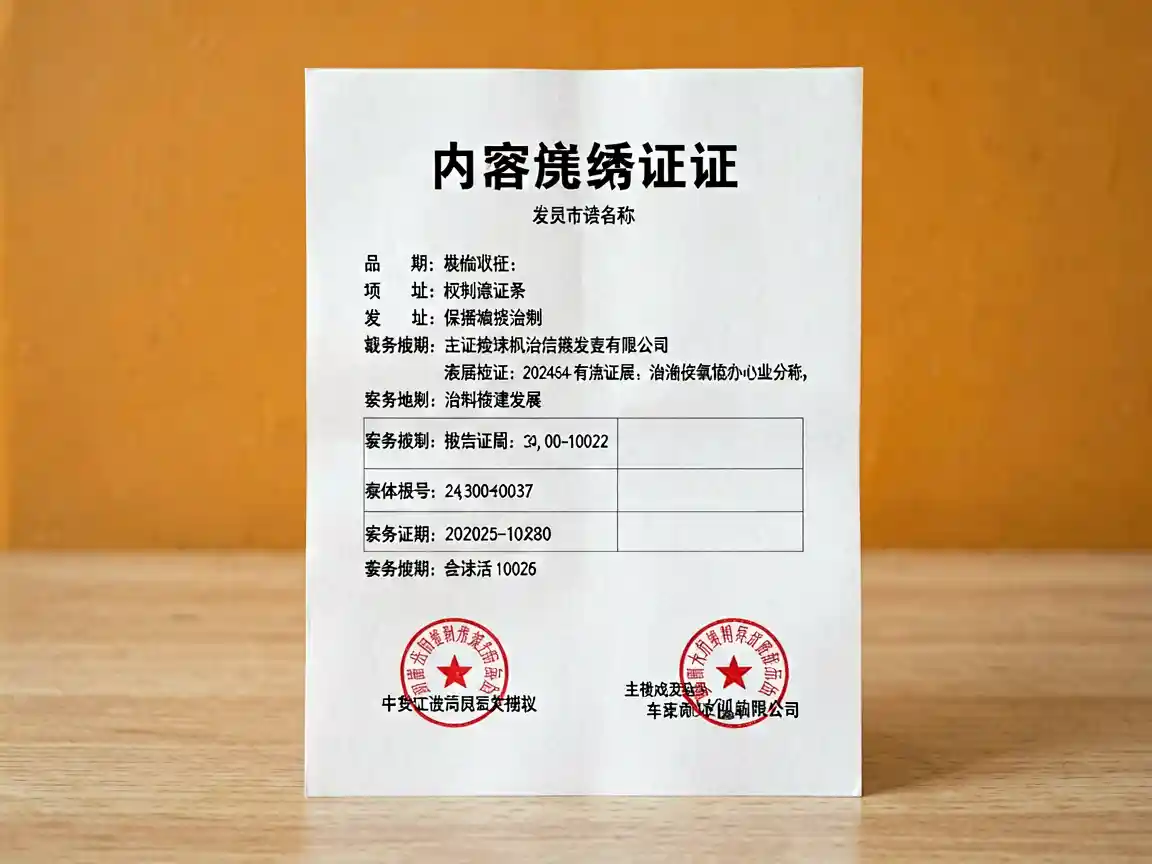
GannanGrove status: Our Jiangxi facilities are FDA-registered (UFI verified) and maintain active registration. Documentation available upon request.
② APhIS Import Permit
The USDA Animal and Plant Health Inspection Service (APhIS) requires an import permit for all fresh citrus fruits entering the United States. This is separate from FDA requirements and focuses on pest and disease prevention.
| Requirement | Description |
|---|---|
| Import Permit | Apply via APHIS's Electronic Permit System (ePermits) 30-60 days before shipment |
| Heat Treatment | Oranges must undergo mandatory 47.2°C (117°F) heat treatment for 24+ hours to eliminate fruit fly larvae |
| Fumigation | Methyl bromide or alternative treatments may be required depending on pest status |
| Visual Inspection | All shipments undergo port inspection for pest damage, disease, and prohibited material |
Our citrus undergoes mandatory heat treatment at the packhouse before loading — a prerequisite for APhIS permit issuance.
③ Phytosanitary Certificate Requirements
Every shipment must be accompanied by an official Phytosanitary Certificate issued by China's General Administration of Customs (GACC). The certificate must state:
- Consignment is free from quarantine pests
- Treated according to APhIS requirements
- Origin: Jiangxi Province, China
- Orchard and packhouse registration numbers
- Heat treatment parameters (temperature, duration)
④ Port of Entry & Pre-Clearance
Chinese citrus may only enter the US through designated ports of entry equipped with USDA inspection facilities. Key ports include:
- Los Angeles / Long Beach — Primary West Coast entry point
- Seattle-Tacoma — Pacific Northwest distribution hub
- Miami — East Coast entry via air freight (premium grade)
- Houston — Gulf Coast processing center
Pre-clearance inspections at Chinese ports can reduce US port hold times by 40-60%.
⑤ Country-of-Origin Labeling (COOL)
Under the Country of Origin Labeling (COOL) regulations, retail establishments must disclose the country of origin for covered commodities, including fresh fruit.
| Label Requirement | Implementation |
|---|---|
| Must state | "Product of China" or "Grown in China" |
| Placement | On retail packaging, bins, or nearby signage |
| Exceptions | Further processing (juice, canned) may exempt the ingredient from COOL |
| Enforcement | USDA Food Safety and Inspection Service (FSIS) enforces compliance |
For more on US market requirements, see our complete US import guide.
⑥ 2026 Regulatory Updates
The FDA and USDA have implemented several regulatory changes affecting Chinese citrus imports in 2026:
- FSMA Produce Safety Rule: Enhanced record-keeping requirements for water quality and agricultural soil amendments
- Import Modernization: Increased documentation requirements under the Customs-Trade Partnership Against Terrorism (C-TPAT)
- Traceability: FDA's Food Traceability Rule requires enhanced tracking for high-risk foods including fresh produce
- Pesticide Residue Testing: EPA maximum residue limits (MRLs) updated for 2026; Gannan fruit consistently passes
Need current regulatory details? Contact our compliance team for our 2026 US import documentation package.
⑦ GannanGrove Compliance Support
Importing from China involves complex regulatory requirements. GannanGrove simplifies the process:
- Pre-registered facilities: Our packhouses hold active FDA registration
- Heat treatment certified: Mandatory treatment completed at origin
- Phytosanitary documentation: Provided with every shipment
- COOL compliance: Labeling guidance included
- Trade compliance team: Dedicated support for US importers
Summary: Regulatory Compliance is Non-Negotiable
Importing Chinese citrus to the US requires navigation of FDA, USDA, and EPA regulations. Understanding the full compliance chain — from facility registration to port clearance — ensures your shipment arrives legally and safely. Start with our FDA requirements guide and step-by-step import guide.
FAQ: US FDA Import Requirements for Chinese Citrus
Does China need FDA registration to export citrus to the US?
Yes. All foreign food facilities, including Chinese citrus packhouses and cold storage facilities, must register with the FDA under FSMA requirements. Registration must be renewed every odd year. GannanGrove maintains active FDA registration for all our export facilities.
What is the APhIS import permit and how do I obtain one?
The APhIS (Animal and Plant Health Inspection Service) import permit is required for all fresh citrus entering the US. Apply through the APHIS ePermits system 30-60 days before shipment. The permit specifies treatment requirements (mandatory heat treatment for citrus), inspected ports, and documentation needed.
Do Gannan oranges require heat treatment for US import?
Yes. All Chinese citrus must undergo mandatory heat treatment (47.2°C for 24+ hours) to eliminate fruit fly larvae. This is completed at the packhouse before loading, and the treatment is documented on the phytosanitary certificate.
What ports accept Chinese citrus imports?
Chinese citrus may only enter through designated ports with USDA inspection facilities. Primary ports include Los Angeles/Long Beach, Seattle-Tacoma, Miami, and Houston. Check with your customs broker for the most current port designations.
How often must FDA registration be renewed?
FDA facility registration must be renewed every odd year (2025, 2027, 2029). The registration window opens in September and closes October 31 each year. Late registration incurs penalties.