Traceability is no longer optional — it's a regulatory requirement and competitive advantage. Buyers demand full supply chain visibility from orchard to shelf. This guide explains how citrus traceability systems work, what documentation you need, and how to implement a compliant system in 2026.
| Quick Answer | Key Facts |
|---|---|
| Regulatory requirement | EU Regulation 178/2002 mandates one-step-forward-one-step-back traceability |
| FDA requirement | Food Traceability Rule (2026) requires enhanced records for high-risk foods |
| Key data points | Orchard ID, harvest date, packhouse lot, container number, shipment date |
| Technology options | QR codes, blockchain, barcode scanning, cloud databases |
| Implementation cost | $5,000-50,000 depending on system complexity |
Contents: ① What is Food Traceability → ② Regulatory Requirements → ③ Key Data Points → ④ Technology Options → ⑤ Implementation Guide → ⑥ Buyer Requirements → ⑦ GannanGrove Traceability
① What is Food Traceability
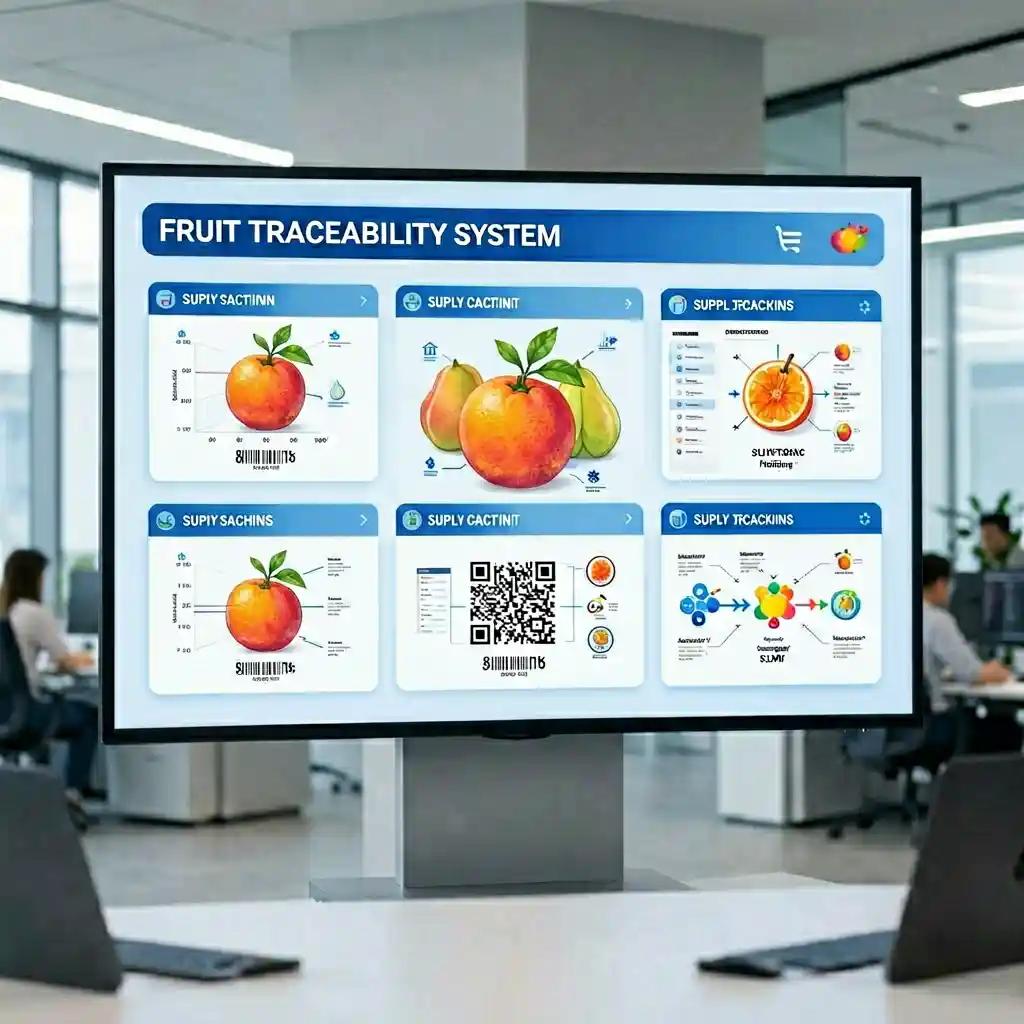
Food traceability is the ability to track any food product through all stages of production, processing, and distribution. For citrus exports, this means tracking each container back to its origin orchard and forward to the end retailer.
Why Traceability Matters
- Food safety: Rapid recall capability during contamination events
- Quality assurance: Verify origin, variety, and grade specifications
- Regulatory compliance: Meet EU, US, and other market requirements
- Brand protection: Prevent fraud and counterfeit products
- Supply chain efficiency: Optimize inventory and logistics
② Regulatory Requirements
European Union
EU Regulation 178/2002 establishes the general principles of food traceability:
- One-step-forward: Document who you sold to
- One-step-back: Document who you bought from
- Retention period: Keep records for 5 years
- Identification: Each batch must have unique identifiers
United States
The FDA Food Traceability Rule (effective 2026) adds requirements for high-risk foods including fresh produce:
- Key Eating Events (KEEs): Harvest, cooling, initial packaging, loading
- Traceability Lot Codes: Unique identifier for each lot
- Electronic records: Digital traceability data required
- Transfer records: Document all changes of ownership
For US import requirements, see our FDA compliance guide.
③ Key Data Points
| Data Point | Required For | Format |
|---|---|---|
| Orchard ID | Origin verification | Alpha-numeric code |
| Harvest date | Freshness calculation | YYYY-MM-DD |
| Packhouse lot | Quality control | Lot number |
| Container number | Shipment tracking | ISO 6346 standard |
| Shipment date | Transit time calculation | YYYY-MM-DD |
| Destination port | Customs clearance | UN/LOCODE |
| Grade/Size | Quality specification | AAA/A/B, 80-90mm |
| Brix level | Sweetness verification | Degrees Brix |
④ Technology Options
System Types
| Technology | Cost | Complexity | Best For |
|---|---|---|---|
| Spreadsheet-based | $0-500 | Low | Small exporters |
| Barcode scanning | $2,000-10,000 | Medium | Medium exporters |
| Cloud database | $5,000-20,000 | Medium-High | Larger exporters |
| Blockchain | $20,000-50,000 | High | Premium brands |
QR Code Implementation
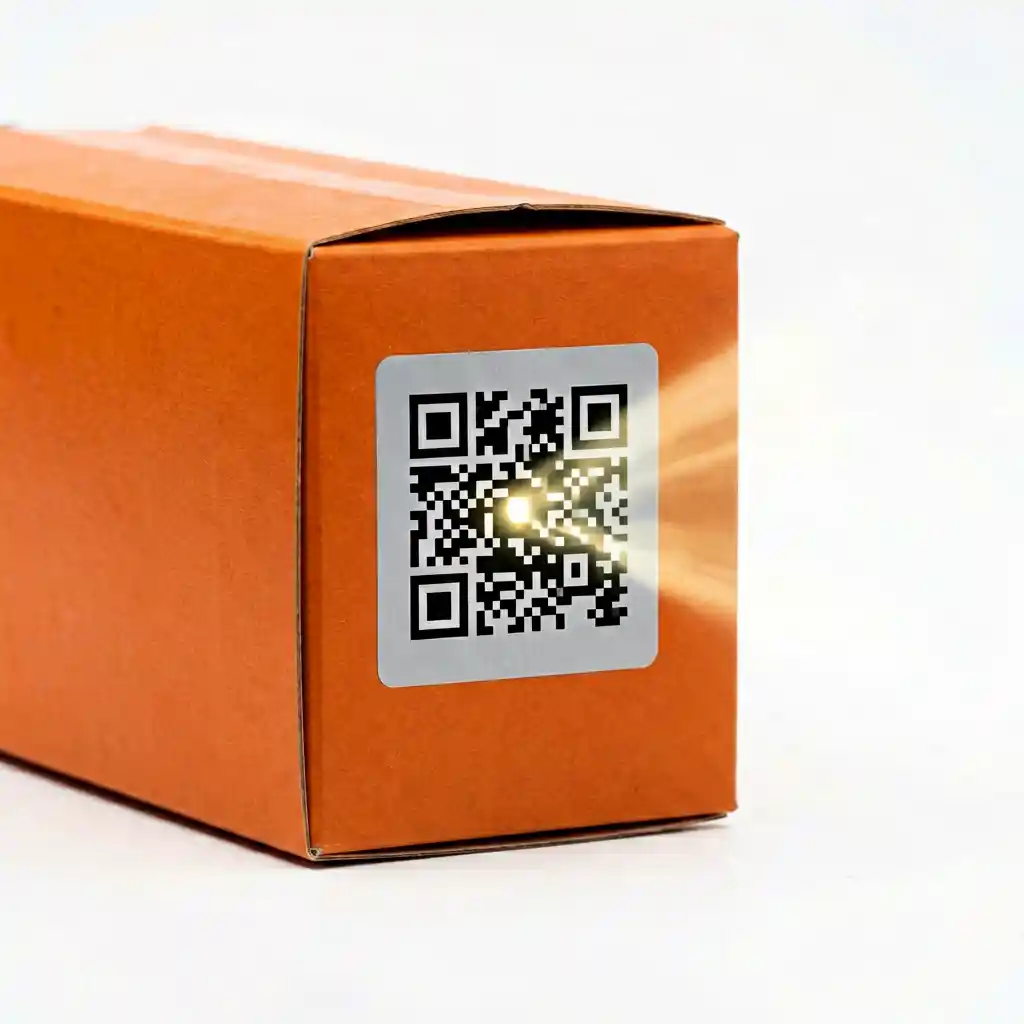
QR codes are the most popular traceability solution:
- Print unique QR code on each carton or pallet
- Scan at each supply chain stage (harvest, pack, ship, receive)
- Data stored in cloud database
- Consumers can scan to view origin, harvest date, and quality specs
⑤ Implementation Guide
Step-by-Step Process
- Assessment: Map current supply chain and identify data gaps
- System selection: Choose technology platform based on volume and budget
- Data collection: Establish protocols for recording traceability data
- Training: Train staff on system use and data entry
- Testing: Run parallel system with manual tracking
- Go-live: Full implementation with regular audits
Implementation Timeline
- Small system: 2-4 weeks
- Medium system: 4-8 weeks
- Large system: 8-16 weeks
⑥ Buyer Requirements
Major retailers and importers require traceability documentation:
| Buyer Type | Requirements | Preferred System |
|---|---|---|
| European supermarkets | GS1 standards, full chain追溯 | Cloud database with GS1 barcodes |
| US retail chains | FDA Food Traceability Rule compliance | Electronic records with KEE documentation |
| Asian importers | Basic traceability, origin verification | Barcode or QR code system |
| Food service | Basic lot tracking | Spreadsheet or simple barcode |
For quality standards, see our Global G.A.P. guide.
⑦ GannanGrove Traceability
GannanGrove implements comprehensive traceability:
- Orchard registration: All orchards registered with unique IDs
- Harvest tracking: Date, variety, and condition recorded
- Packhouse lot system: Each lot assigned unique identifier
- QR code labels: Printed on all export cartons
- Cloud database: Real-time access to traceability data
- Buyer portal: Customers can query shipment details online
Summary: Traceability is Competitive Advantage
Implementing robust traceability systems demonstrates quality commitment, ensures regulatory compliance, and provides marketing value. Buyers increasingly require full supply chain visibility — companies without traceability will lose market access.
FAQ: Citrus Traceability Systems
What is the difference between traceability and transparency?
Traceability is the technical ability to track a product through the supply chain. Transparency goes further — it means making that data accessible to consumers and stakeholders. Both are important, but traceability is the foundation.
How much does a traceability system cost?
Costs vary by complexity: spreadsheet systems ($0-500), barcode scanning ($2,000-10,000), cloud databases ($5,000-20,000), and blockchain solutions ($20,000-50,000). Most medium-sized exporters invest $10,000-20,000 for a comprehensive system.
Do I need blockchain for citrus traceability?
Not necessarily. Blockchain offers immutable records but is expensive and complex. Most buyers accept cloud-based traceability with QR codes. Reserve blockchain for premium branding or specific buyer requirements.
What data must I collect for EU compliance?
EU Regulation 178/2002 requires: product description, quantity, date, supplier identification, and customer identification. For citrus, add orchard ID, harvest date, packhouse lot, and container number.
Can consumers access traceability information?
Yes. QR codes on packaging allow consumers to scan and view origin, harvest date, and quality specifications. This transparency builds trust and supports premium branding.