Starting a private label orange brand sounds straightforward — find a supplier, put your logo on a box, ship to retail. But the reality involves complex quality controls, retailer requirements, and supply chain management that can make or break your launch. This guide walks you through every step of creating a successful private label citrus brand.
| Quick Answer | Key Facts |
|---|---|
| Minimum order for private label | 1x20ft container (18+ tons) for first trial |
| Brand setup timeline | 4-8 weeks from concept to shelf |
| Cost per container | $10,000-18,000 landed (includes packaging) |
| Retailer requirements | Global G.A.P., HACCP, traceability documentation |
| Profit margin potential | 25-40% for well-positioned private label brands |
Contents: ① What is Private Label Citrus → ② Retailer Requirements → ③ Brand Development → ④ Packaging Design → ⑤ Quality Control → ⑥ Supply Chain Management → ⑦ Case Study → ⑧ Getting Started
① What is Private Label Citrus
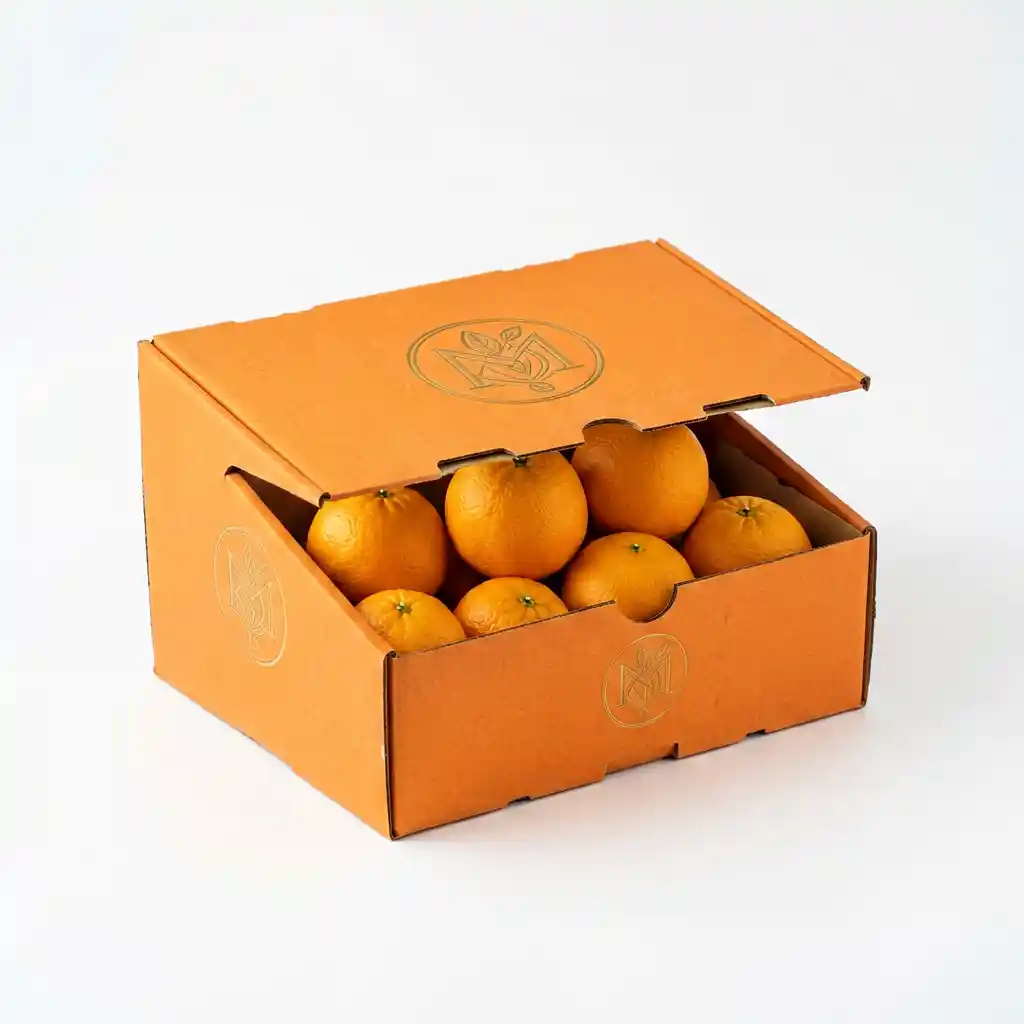
Private label citrus — also called white label or store brand oranges — involves sourcing fruit from a producer and branding it under your own label for retail sale. Unlike national brands, private label products are exclusive to your retail chain.
Key advantages:
- Higher margins: 25-40% vs 15-25% for branded products
- Customer loyalty: Exclusive products drive repeat visits
- Price control: No manufacturer suggested retail price (MSRP) constraints
- Brand building: Your label becomes synonymous with quality
② Retailer Requirements
Major retail chains have strict requirements for private label suppliers:
| Requirement | Details | Timeline |
|---|---|---|
| Global G.A.P. Certification | International good agricultural practices certification | 6-12 months to certify |
| HACCP Plan | Hazard Analysis Critical Control Points documentation | 2-4 weeks to develop |
| Traceability System | Lot-level追溯 from orchard to shelf | System implementation: 4-8 weeks |
| Product Liability Insurance | $1-5 million coverage depending on retailer | Ongoing requirement |
| Third-Party Audits | Annual facility and supply chain audits | Scheduled quarterly or annually |
| Quality Specifications | Brix, size, color, defect limits defined by retailer | Negotiated at contract signing |
For certification details, see our Global G.A.P. guide.
③ Brand Development
Brand Positioning
Define your brand's unique value proposition:
- Premium positioning: "Farm-fresh, hand-picked, exceptional sweetness"
- Value positioning: "Quality oranges at affordable prices"
- Health positioning: "Rich in Vitamin C, naturally sweet"
- Sustainability positioning: "Eco-friendly farming, carbon-neutral shipping"
Brand Assets
Essential brand elements to develop:
- Brand name: Memorable, trademark-available, culturally appropriate
- Logo: Scalable, works on fruit and packaging
- Color palette: Consistent across all touchpoints
- Typography: Readable at small sizes (fruit stickers)
- Brand voice: Consistent messaging across channels
- Brand story: Authentic narrative connecting to origin
For naming guidance, consult with a trademark attorney before finalizing.
④ Packaging Design
Packaging Options
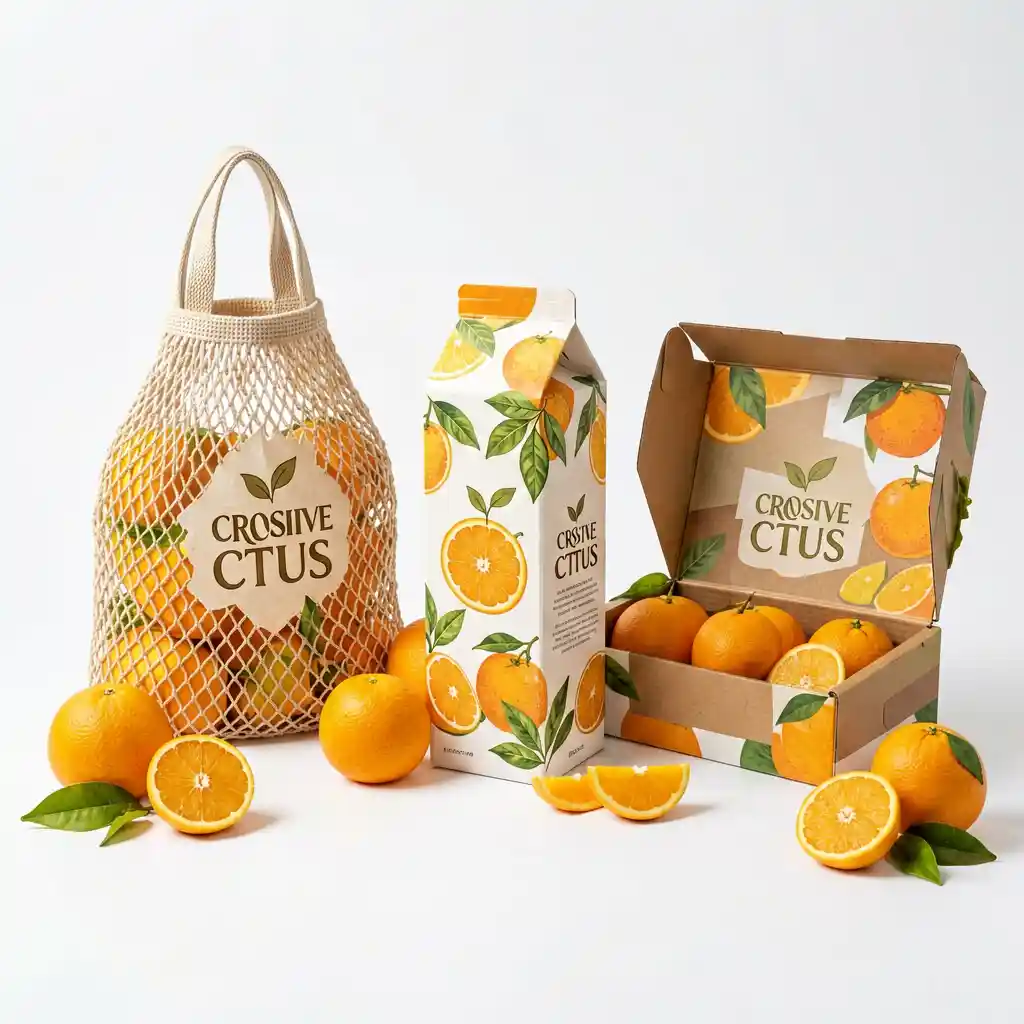
| Packaging Type | Best For | Cost (per unit) | Shelf Impact |
|---|---|---|---|
| Fruit stickers/labels | Bulk display, self-service | $0.02-0.05 | Medium |
| Branded mesh bags | Value retail, promotions | $0.15-0.30 | High |
| Custom printed cartons | Premium retail, gifting | $0.50-1.50 | Very high |
| Display boxes | Supermarket endcaps, promotions | $1.00-2.50 | Very high |
| Gift boxes | Holiday gifting, corporate | $3.00-8.00 | Premium |
Design Best Practices
- Logo placement: Visible from 3 feet away on shelf
- Color contrast: Orange fruit against complementary background
- Claim validation: All health claims must be substantiated
- Regulatory compliance: Country of origin, weight, grade required
- Sustainability: Recyclable materials increasingly expected
⑤ Quality Control
Private label quality standards must exceed baseline commodity requirements:
| Parameter | Commodity Standard | Private Label Standard |
|---|---|---|
| Brix (sweetness) | Minimum 11° | Minimum 12.5° |
| Size uniformity | ±10% variation allowed | ±5% variation required |
| Color | Acceptable orange coverage | Minimum 90% uniform color |
| Defect tolerance | 5% maximum | 2% maximum |
| Packaging defects | Minor defects acceptable | Zero defects required |
Implement incoming quality inspection at origin and final inspection before loading.
⑥ Supply Chain Management
Critical Success Factors
- Consistent supply: Year-round availability or defined seasonality
- Quality consistency: Same taste and appearance batch to batch
- On-time delivery: Meeting retailer schedule requirements
- Traceability: Full lot追溯 for recall capability
- Communication: Proactive updates on supply status
Supplier Requirements
Your private label supplier must provide:
- FDA-registered facilities
- Global G.A.P. certification
- Third-party quality testing
- Traceability documentation
- Responsive customer service
See our supplier selection guide.
⑦ Case Study: UK Supermarket Private Label Launch
A mid-tier UK supermarket launched their private label Gannan oranges in 2024:
- Challenge: Differentiate from Spanish and South African competition
- Solution: Positioned as "Premium Chinese Navel — Exceptional Sweetness"
- Implementation: Custom printed cartons with brand storytelling
- Results: 15% market share within 6 months; 22% repeat purchase rate
Key success factors: consistent quality, attractive packaging, competitive pricing, and strong retailer support.
⑧ Getting Started
Ready to launch your private label orange brand?
- Define your brand: Positioning, name, visual identity
- Secure retailer commitment: Letter of intent or purchase order
- Select supplier: Verify certifications and capacity
- Design packaging: Work with packaging specialist
- Place trial order: Start with 1 container
- Launch and iterate: Gather feedback, refine offering
Summary: Private Label is a Strategic Investment
Private label citrus requires upfront investment in branding, packaging, and quality systems, but delivers higher margins, customer loyalty, and brand equity. Success depends on consistent quality, strong supplier relationships, and understanding retailer requirements.
FAQ: Private Label Citrus Export
What is the minimum order for private label oranges?
The standard minimum is one 20-foot reefer container (approximately 18 metric tons). This allows for custom packaging, branding, and quality control at a manageable scale. Some suppliers may offer smaller trial orders at premium pricing.
How long does it take to launch a private label orange brand?
From concept to shelf typically takes 4-8 weeks. Brand development (2-3 weeks), packaging design and production (2-4 weeks), and supplier coordination (1-2 weeks). Plan ahead for peak season launches.
What certifications do I need for private label citrus?
Required certifications include Global G.A.P. (agricultural practices), HACCP (food safety), and FDA registration (for US market). Additional certifications like Organic or Fair Trade may be required by specific retailers.
How much does private label packaging cost?
Packaging costs vary by type: fruit stickers ($0.02-0.05 each), mesh bags ($0.15-0.30), custom cartons ($0.50-1.50), and gift boxes ($3.00-8.00). Budget $2,000-15,000 per container for packaging depending on complexity.
Can I start private label with a small retail chain?
Yes. Small and regional retailers often have more flexible requirements than national chains. Start with a local or regional retailer to build your brand, then expand to larger chains. Many successful private label brands started this way.